Anwar Technologies · 2024
Turning Manual Document Processing into a Scalable AI Workflow
How AmarDoc was positioned to transform high-volume manual document processing through OCR/ICR, AI-assisted extraction, automated classification, workflow approvals, and structured data export, with the business case projecting significant gains in processing capacity and operational efficiency.
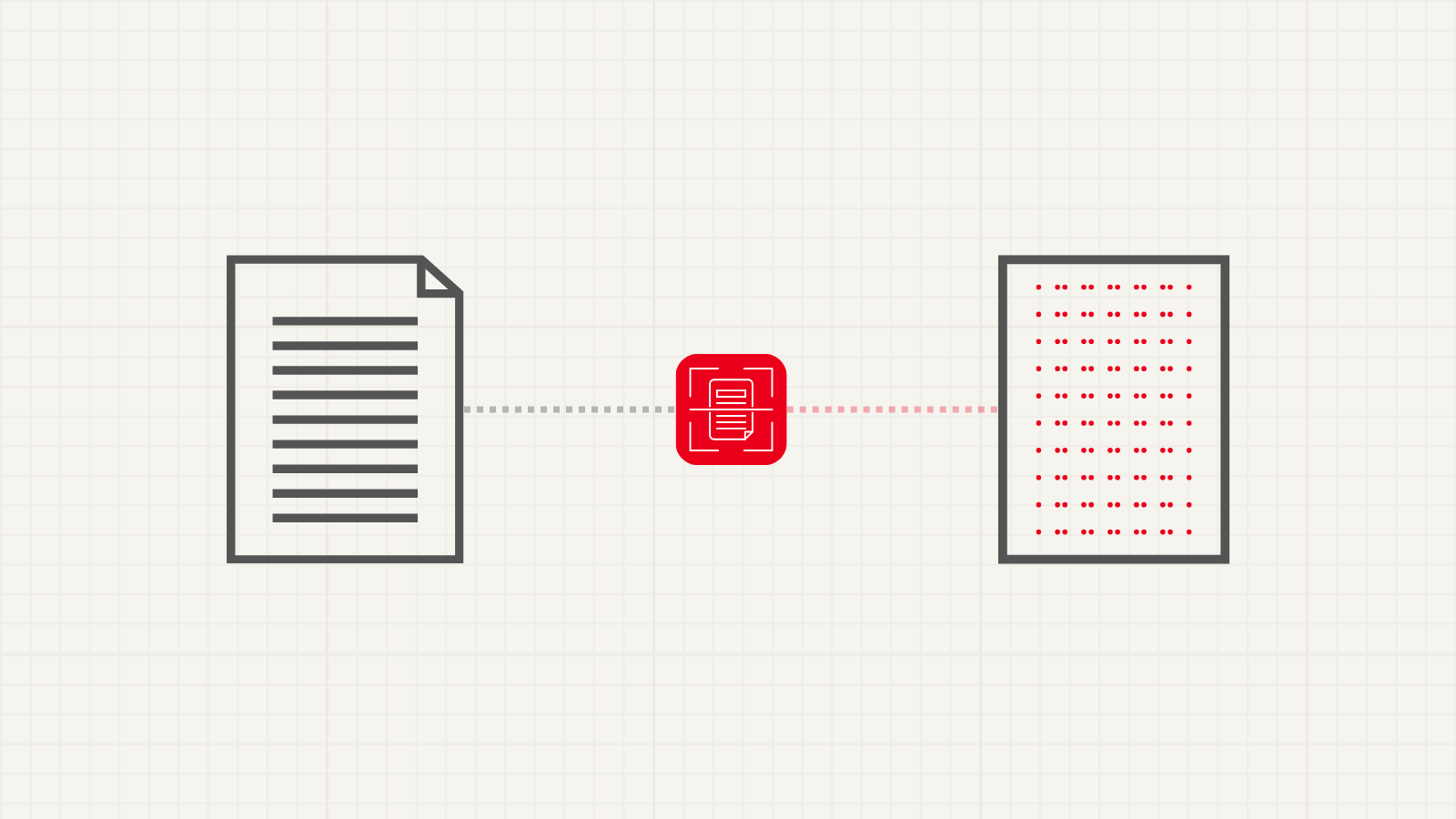
- 40 → 6 data-entry staff in pilot scenario
- 12000 → 12936 pages/day output
- 600% operational efficiency
- 72s → 10s projected processing time/page
- 86% projected reduction in processing time
- ~966 hours/month potential capacity released
01
Problem
High-volume document processing was heavily dependent on manual data entry.
The business case identified three fundamental problems:
Manual effort: Employees spent significant time reading documents and manually entering information.
Error and rework: Manual data entry introduced avoidable errors and reduced processing efficiency.
Scalability: Increasing document volume meant increasing operational effort and headcount.
The core business question was not simply:
"How can we digitize documents?"
It was:
"How can we significantly increase document-processing throughput without increasing the size of the data-entry operation?"
The original pilot scenario illustrated the scale of the opportunity. A traditional operation with 40 data-entry staff was compared with an AmarDoc-powered operation using 6 staff, while daily organizational output was presented as increasing from 12,000 to 12,936 pages.
02
Research
I broke the problem into the end-to-end document lifecycle rather than treating OCR as the solution by itself:
Upload → Classify → Extract → Refine → Validate → Approve → Export / Archive
The product architecture combined several capabilities:
OCR/ICR for extracting information from documents
LLM-based refinement to improve contextual relevance of extracted data
Automated classification to identify document types
Document configuration so new document types could be configured and subsequently recognized
Error detection and correction
Role-based verification and approval
Search and archival
Structured export for downstream use
Encryption and access control for sensitive documents
The analysis also separated automation from human judgment.
Instead of attempting to eliminate people from the process, the target workflow was:
Automation handles volume → Humans handle validation, exceptions, and approval.
This distinction was important because document processing is not only an extraction problem. It is also a quality-control and governance problem.
The business case then quantified the opportunity using a specific processing scenario: approximately 56,056 pages per month, with manual processing estimated at 1,121 hours versus 155 hours using AmarDoc, representing a projected 86% reduction in processing time.
03
Decisions
1. Build an end-to-end workflow, not just an OCR tool
The product needed to cover the complete journey from document ingestion to usable business data.
This shifted AmarDoc's positioning from "OCR software" to a broader document intelligence and workflow platform.
2. Keep humans in the loop
Automated extraction was paired with error detection, verification, and approval rather than assuming 100% machine accuracy.
The approval model introduced distinct Verifier and Approver responsibilities, with role-based controls and notifications throughout the workflow.
3. Make the solution adaptable to different document types
Rather than hard-coding every document structure, the product introduced configurable document types and automated classification.
This created a path for organizations to expand the solution beyond their initial use case.
4. Design for integration, not replacement
The product was positioned to work in three ways:
Direct Purchase for organizations wanting a complete document-management solution.
API Integration for organizations wanting AmarDoc's processing capabilities within their existing systems.
Custom Solution for enterprises requiring specialized workflows or features.
This allowed the technology to fit different levels of organizational maturity instead of forcing every client into the same implementation model.
5. Measure business value through throughput, not just accuracy
The success criteria needed to extend beyond OCR accuracy.
The stronger measurement framework was:
Processing time + throughput + exception rate + human effort + operational capacity
This connects technical performance directly to business value.
04
Outcome
AmarDoc was developed and positioned for client adoption, with a specific pilot-partner use case from 2024. The figures presented should therefore be treated as pilot/business-case evidence rather than a broad production rollout across organizations.
The business case demonstrated:
40 → 6 data-entry staff in the referenced scenario.
12,000 → 12,936 pages/day organizational output.
600% operational efficiency as presented in the pilot comparison.
A separate processing scenario projected:
72s → 10s per page, resulting in an 86% reduction in processing time and potentially releasing approximately 966 processing hours per month at the stated volume.
The larger outcome was a business model for converting a labor-intensive process into a scalable, AI-assisted workflow, while retaining the controls required for validation, approval, security, and downstream integration.